
The 4 Types of Streetwear Taking Over 2026 (And How to Style Each One)
Key Takeaways
Before diving deep, here's what you need to know about streetwear in 2026:
- Four distinct types define modern streetwear: skatewear, hypebeast, techwear, and athleisure
- Authenticity matters more than logos – vintage pieces mixed with contemporary silhouettes create the most compelling fits
- Oversized layering dominates – balancing proportions is key to pulling off 2026's signature look
- Limited drops and scarcity drive streetwear's cultural value and resale economy
- Blending styles is encouraged – most authentic outfits combine elements from multiple streetwear types
Ready to build your streetwear wardrobe? Explore our limited-release collections that honor subculture roots.
Introduction
Have you noticed the oversized hoodies, vintage band tees, and chunky sneakers absolutely flooding your social feeds? That's streetwear solidifying its dominance in 2026—and it's showing no signs of slowing down.
Here's what most people miss: streetwear isn't just one style. It's actually four distinct movements, each with its own aesthetic DNA, cultural roots, and styling rules. Understanding the types of streetwear transforms how you build outfits—moving you from trend-follower to authentic curator.
This breakdown reveals each streetwear category and shows you exactly how to layer genuine fits that respect the culture's origins. As a streetwear brand rooted in subculture authenticity, we live these styles daily—and we're pulling back the curtain on what makes each type unique.
But before we explore the four categories, let's decode what is streetwear clothing actually means beyond the Instagram aesthetics.
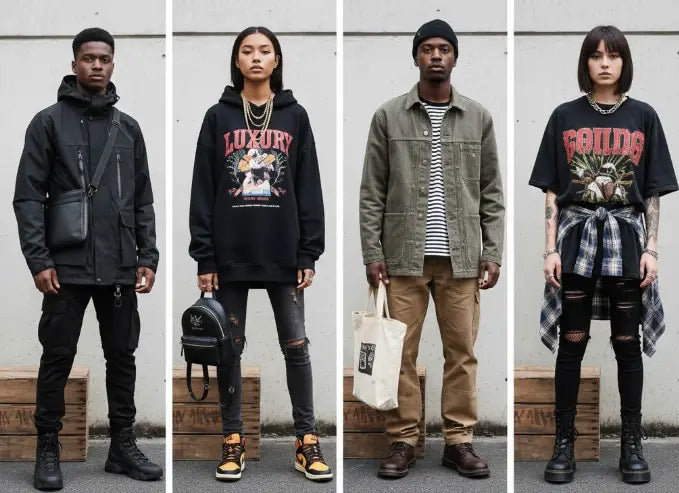
What Is Streetwear? The Culture Behind the Clothing
Street wear meaning goes deeper than graphic tees and sneakers. At its core, streetwear is casual urban fashion born from 1980s and 90s subcultures—specifically skateboarding, hip-hop, graffiti art, and punk's DIY ethos. The defining elements? Comfort, radical self-expression, and intentional rebellion against traditional high fashion's gatekeeping.
Unlike runway collections dictated by designers, streetwear emerged organically from the streets. Skaters needed durable clothing that survived concrete falls. Hip-hop artists used fashion to communicate identity and status. Graffiti writers required functional gear for midnight missions. These practical needs birthed a movement that prioritized authenticity over polish.
Why it matters in 2026: Streetwear evolved from counterculture into a global phenomenon worth billions—but the rules changed. Limited drops replaced mass production, making exclusivity the currency that drives hype. Modern streetwear blends vintage pieces with contemporary silhouettes, creating layered fits that tell stories. Social media democratized the style completely; influencers now shape trends faster than fashion editors ever could.
At Urban City Style, we honor these roots through carefully limited releases that respect streetwear's authentic scarcity culture—because flooding markets contradicts everything the movement represents.
But streetwear isn't monolithic. It splits into four distinct types, each carrying its own aesthetic DNA and cultural significance.
The 4 Core Types of Streetwear
These four categories represent streetwear's incredible diversity—from skate parks to resale platforms to cyberpunk futures. Most streetwear enthusiasts don't stick to one type; they blend multiple aesthetics in single outfits. Understanding each helps you build authentic, personalized style that respects the culture.
1. Skatewear: The Original Streetwear
This is where it all started. Born in late-1970s California skate parks, skatewear was never about fashion—it was survival gear. Brands like Stüssy, Supreme, Vans, and Thrasher pioneered this aesthetic around one core philosophy: build functional clothing tough enough for movement, falls, and daily abuse.
Key characteristics define the look:
- Silhouettes: Oversized graphic tees, baggy cargo pants, relaxed hoodies that don't restrict kickflips
- Materials: Durable denim and heavyweight cotton engineered to withstand skate park concrete
- Signature pieces: Classic skate shoes (Vans, Nike SB), snapback caps, logo tees celebrating skate brands or punk bands
2026 trend update: Vintage skate band tees layered under oversized flannels dominate right now. The 90s baggy cargo revival paired with chunky skate sneakers is everywhere. Most importantly, distressed and worn-in aesthetics now carry more street value than pristine pieces—authenticity beats perfection.
How to style it: Layer a vintage graphic tee under an unbuttoned flannel shirt, pair with mid-wash baggy jeans, and finish with classic Vans Old Skool or Nike SB Dunk Lows. Simple, functional, timeless.
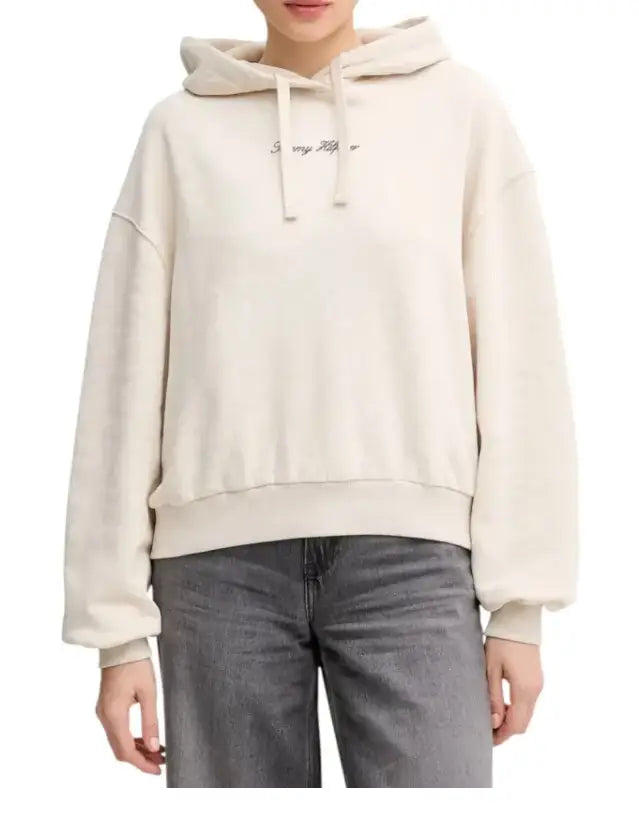
2. Hypebeast Style: The Hype-Driven Collector
If skatewear was born from necessity, hypebeast culture emerged from desire and manufactured scarcity. This type evolved directly from sneaker collecting and limited-release drop culture. Brands like Supreme, Off-White, BAPE, Palace, and Fear of God built empires on one principle: artificial scarcity drives demand, which drives resale value, which drives cultural cachet.
Key characteristics:
- Defining trait: Logo-heavy designs where brand recognition is paramount—you're not just wearing clothes, you're displaying cultural capital
- Economy: Limited drops create collectible culture; pieces appreciate like investments
- Signature pieces: Box logo hoodies, collaborative sneakers, branded accessories that signal insider status
2026 trend update: The loud logo era is shifting. Subtle flexing now outranks billboard branding. Vintage hypebeast pieces from the 2000s BAPE golden era are appreciating rapidly. Interestingly, limited drops now incorporate sustainable and archival materials—scarcity meeting consciousness.
How to style it: Build your outfit around one statement piece—a collaboration hoodie or rare sneakers. Keep everything else minimal: black cargos, clean tee. Let your grail piece speak without competing for attention.
Our limited drops honor this exclusivity philosophy—each release celebrates streetwear's scarcity-driven authenticity rather than chasing mass-market appeal.
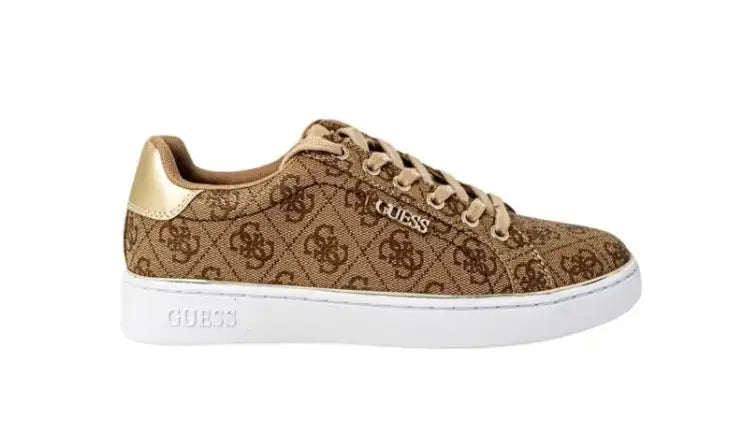
3. Techwear: The Futuristic Function
Techwear represents streetwear's most radical evolution: fusion of urban aesthetics with technical performance fabrics. Brands like ACG (Nike), Acronym, Arc'teryx, and Guerrilla Group pioneered this category, drawing heavy influence from cyberpunk fiction and urban utility needs.
Key characteristics:
- Materials: Waterproof, breathable technical fabrics (Gore-Tex, advanced nylon) that perform in extreme weather
- Design: Modular pocket systems, adjustable straps, tactical details, and future-forward construction
- Aesthetic: Monochrome color palettes (black, grey, occasional olive), sleek minimalism, ninja-adjacent silhouettes
2026 trend update: Sustainable tech fabrics are gaining serious traction as brands prioritize both performance and planet. We're seeing more mixing of techwear jackets with vintage streetwear for aesthetic contrast—the tech shell over a 90s band tee creates compelling tension. Utility without sacrificing style is the current mantra.
How to style it: Pair technical cargo pants with tapered fit, layer a techwear jacket over a simple black tee, finish with streamlined sneakers (Nike ACG or Salomon). The goal is functional sophistication—every piece serves purpose.
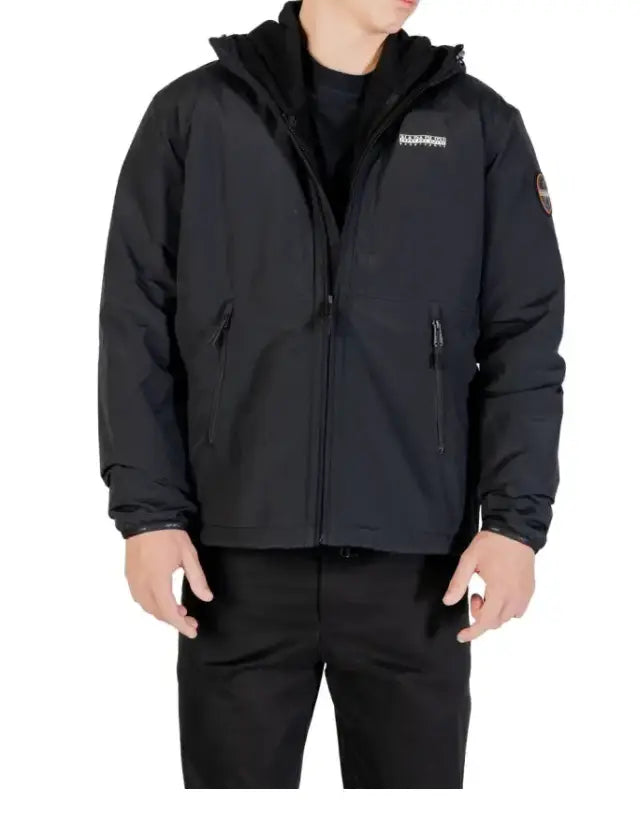
4. Athleisure-Streetwear: The Comfort Hybrid
The pandemic accelerated what was already brewing: blending athletic wear with street style comfort into one dominant aesthetic. Brands like Adidas (especially Yeezy), Nike Tech Fleece, Essentials, and vintage Champion rode this wave to cultural dominance by prioritizing one thing—how clothing feels, not just how it looks.
Key characteristics:
- Silhouettes: Joggers, oversized hoodies, track pants, athletic shorts worn outside the gym
- Vibe: Relaxed, cozy, elevated basics that work from couch to coffee shop
- Signature pieces: Matching sweatsuits, puffer jackets, retro athletic sneakers
2026 trend update: Oversized matching sets are replacing the fitted athleisure of previous years—think sizing up twice on hoodies. Neutral earth tones (beige, grey, olive) dominate over bright sportswear colors. Vintage Champion and Fila are experiencing major comebacks in street styling contexts.
How to style it: Rock an oversized hoodie (seriously, size up twice) with tapered joggers or relaxed cargos. Add retro runners like New Balance 550 or Asics Gel. Keep jewelry minimal—maybe a chain or simple watch. Comfort is king, but proportions still matter.

Why Streetwear Dominates Fashion in 2026
Ever wondered why is streetwear so popular right now? Three cultural shifts explain streetwear's complete takeover of mainstream fashion.
Democratization broke the gates: Social media demolished traditional fashion gatekeepers. You don't need Vogue's approval or a runway show—anyone with authentic style and a platform can influence trends. This accessibility extends beyond digital; streetwear works across income levels because you can mix affordable thrift finds with statement pieces.
Self-expression became currency: Gen Z and Millennials are rejecting corporate uniforms and rigid dress codes entirely. Streetwear allows personal identity showcase in ways traditional fashion never permitted. Connection to subculture communities—skate, music, art—matters more than brand prestige alone. Your outfit tells your story.
Exclusivity drives belonging: Limited drops create collectible culture where scarcity drives both monetary value and community membership. Owning a rare piece signals insider status. For those priced out, vintage hunting offers an affordable authenticity alternative—a 90s Stüssy tee from a thrift store carries more street cred than mass-produced fast fashion.
This is exactly why we build limited collections at Urban City Style—honoring streetwear's authentic scarcity roots rather than flooding markets with mass production. Every drop respects the culture that built this movement.

How to Style Authentic Streetwear: 2026 Layering Guide
Ready to build fits that actually respect the culture? These four rules define authentic streetwear styling right now.
Rule 1: Master the Oversized + Fitted Balance
Pair an oversized hoodie with tapered cargos or slim jeans. Avoid oversized-on-oversized unless you're intentionally experimenting with avant-garde proportions. Balance creates visual interest.
Rule 2: Layer with Purpose
Start with your base graphic tee, add an oversized hoodie as your middle layer, then finish with a vintage denim or bomber jacket as the outer shell. Each layer should peek through—that's how you create depth and dimension in your fit.
Rule 3: Sneakers Anchor the Fit
Your shoes determine the entire outfit's vibe. Chunky runners signal athleisure energy. Classic Vans communicate skate authenticity. Limited collabs announce hypebeast status. Choose accordingly and build upward from your foundation.
Rule 4: Mix Vintage + Modern
Pair a 90s vintage band tee with 2026 techwear cargos. Contrast eras for depth and storytelling. Hit thrift stores for authentic pieces that carry history—they'll always outperform fast-fashion reproductions in street credibility.
Explore our limited-release collections that blend these authentic streetwear elements. Each drop honors subculture roots while pushing boundaries forward.
FAQs
What is streetwear fashion?
Streetwear fashion is casual, comfortable urban clothing born from 1980s-90s subcultures like skateboarding, hip-hop, and punk. It emphasizes self-expression, functionality, and rebellion against traditional high fashion rules. Modern streetwear blends vintage aesthetics with contemporary silhouettes.
Where did streetwear originate?
Streetwear originated in late-1970s and 1980s California, specifically within skateboarding communities. Shawn Stussy began selling surfboards and screen-printed tees that eventually became Stüssy, one of streetwear's founding brands. Simultaneously, New York's hip-hop scene developed parallel streetwear aesthetics focused on sportswear and bold graphics.
How does Gen Z mix streetwear and luxury?
Gen Z treats luxury pieces as statement items within otherwise streetwear-heavy outfits. They'll pair a vintage band tee with designer sneakers, or wear luxury accessories with thrifted cargos. The key is contrast—high-low mixing that subverts traditional luxury's exclusivity while maintaining streetwear's authentic edge.
Who invented streetwear?
No single person invented streetwear—it emerged organically from multiple subcultures. Shawn Stussy is often credited as a pioneer through Stüssy. James Jebbia (Supreme's founder), Nigo (BAPE), and Hiroshi Fujiwara also shaped streetwear's evolution. However, countless unnamed skaters, artists, and musicians truly created the movement.
Conclusion
The four types of streetwear—skatewear, hypebeast, techwear, and athleisure—each offer distinct aesthetics rooted in different subcultures. The most authentic fits don't stick to one category; they blend multiple types with intention. 2026's trends favor vintage mixing, oversized layering, and comfort-first silhouettes that don't sacrifice style.
Streetwear's cultural dominance stems from democratization (anyone can participate), radical self-expression (your outfit tells your story), and exclusivity culture (scarcity drives value). These forces aren't fading—they're accelerating.
Build your authentic streetwear wardrobe with our limited drops at Urban City Style—each collection celebrates subculture roots and scarcity-driven style without compromising our commitment to conscious, independent fashion.
Remember: Real streetwear isn't about following trends blindly. It's about expressing your authentic self through curated, intentional fits that respect the culture's origins.
Leave a comment